
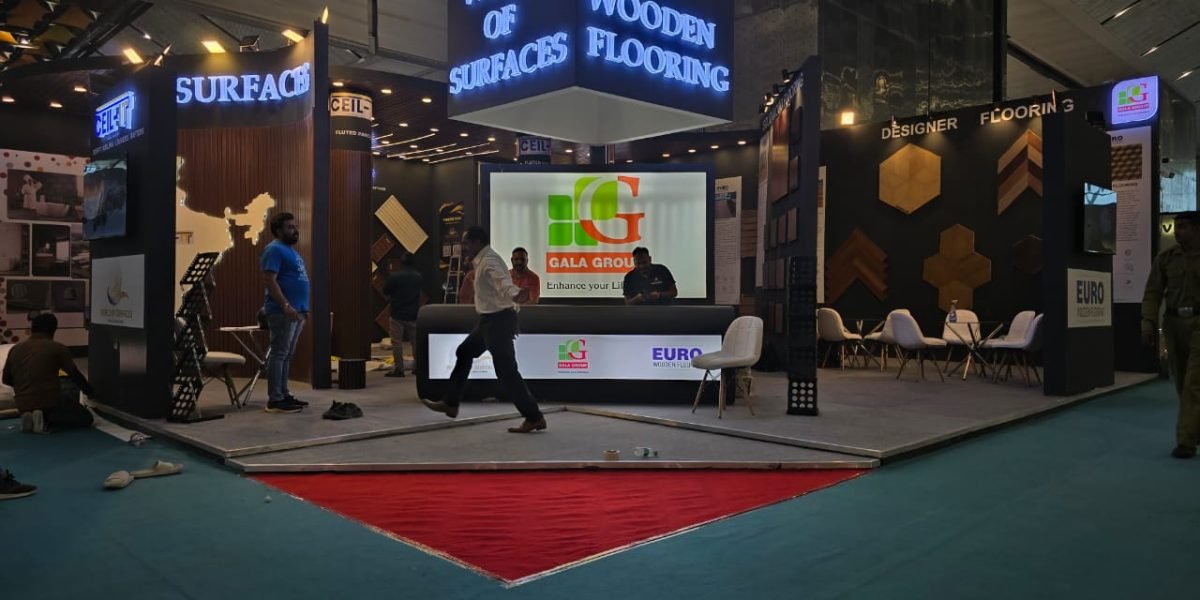
Exhibitions are no longer just about displaying products; they are immersive experiences that connect brands with audiences on a deeper level. As we step into 2025, the exhibition industry is evolving rapidly, driven by technology, sustainability, and changing visitor expectations. Here are the key trends shaping the future of exhibition design in 2025.
1. Immersive Experiences with Extended Reality (XR)
Virtual Reality (VR), Augmented Reality (AR), and Mixed Reality (MR) are becoming mainstream in exhibition design. Instead of static displays, exhibitors are creating interactive environments where visitors can explore products, services, or even entire factories virtually.
- Example: An automobile company could let visitors take a VR “test drive.”
- Benefit: Extends engagement and makes exhibitions more memorable.
2. AI-Powered Personalization
Artificial Intelligence is transforming how visitors experience exhibitions. AI-driven data can predict visitor interests and guide them to relevant booths, while AI chatbots assist in answering questions instantly. Personalized tours ensure visitors feel valued.
- Future Trend: Exhibitions may offer AI-based matchmaking, connecting businesses with the right prospects on the spot.
3. Sustainable & Eco-Friendly Booths
Sustainability is no longer optional—it’s expected. In 2025, eco-friendly exhibition design focuses on:
- Reusable materials like modular panels and fabric graphics.
- Zero-waste principles using recyclable or biodegradable elements.
- Energy-efficient lighting and digital alternatives to printed brochures.
Brands showcasing green booths not only save costs but also appeal to eco-conscious visitors.
4. Smart Technology Integration
IoT (Internet of Things) devices are creating smarter exhibitions. From digital visitor tracking to smart lighting that adapts based on traffic, technology makes exhibitions more efficient.
- Example: Smart wearables could provide real-time visitor analytics.
- Future Expectation: More exhibitions will use touchless technology (gesture-based interactions, QR scanning, face recognition).
5. Multi-Sensory Engagement
Exhibitions in 2025 will stimulate all five senses:
- Sight: Interactive LED walls & holographic projections.
- Sound: Ambient soundscapes & directional speakers.
- Touch: Haptic devices & tactile product demos.
- Smell & Taste: Particularly useful for F&B, wellness, and lifestyle brands.
This multi-sensory approach builds stronger emotional connections.
6. Hybrid Exhibition Formats
The pandemic accelerated hybrid events, and in 2025, they remain popular. Exhibitors now design booths with both physical and virtual audiences in mind.
- Hybrid booths allow online visitors to interact in real time.
Live streaming and virtual reality tours extend reach beyond the exhibition hall.
7. Minimalist, Modular & Flexible Designs
Instead of heavy, complex booths, companies prefer lightweight, modular designs that are easy to transport and reconfigure. This approach saves costs, reduces carbon footprint, and adapts to different exhibition spaces.
Final Thoughts
The future of exhibition design in 2025 is about experience over display. Companies that embrace XR, sustainability, personalization, and hybrid models will stand out. Exhibitions will no longer just inform but immerse, engage, and inspire.